
The Ecommerce Content Mix That Converts: Studio Photography, Video, and UGC
When it comes to creating content for an ecommerce brand, the options can feel endless. Studio photography, lifestyle shots, product videos, stop motions, user-generated content — the list goes on. And with limited resources, it's tempting to look for the "best" format and pour everything into that.
But after analyzing content performance across dozens of ecommerce brands, one thing is clear: there is no single best type of content. The power is in the mix.
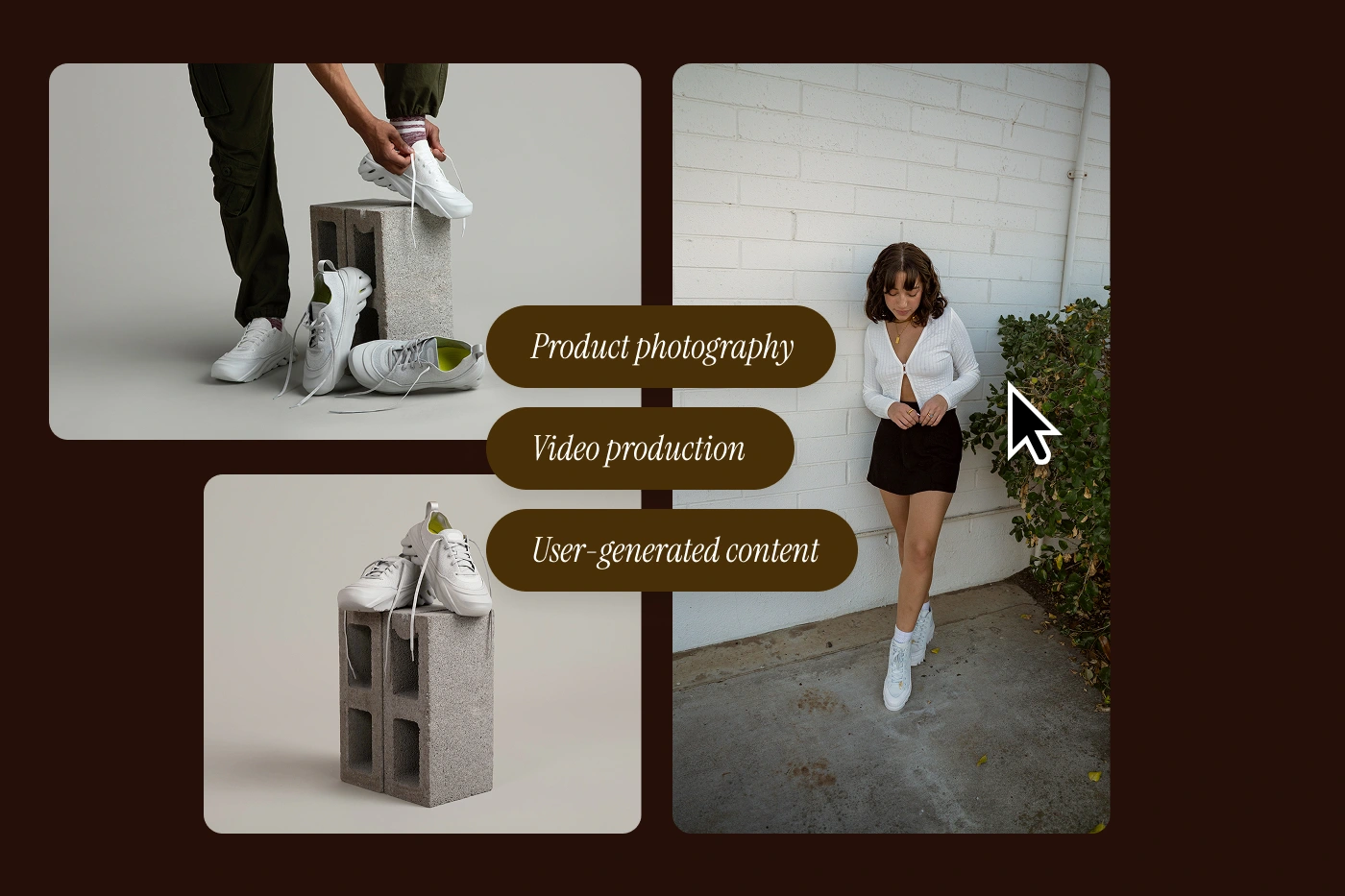
Specifically, it's in understanding the unique role that studio photography, product video, and user-generated content each play in the customer journey — and building a system around all three.
Here's what that looks like.
The Content Trifecta
1. Studio Photography: The Foundation
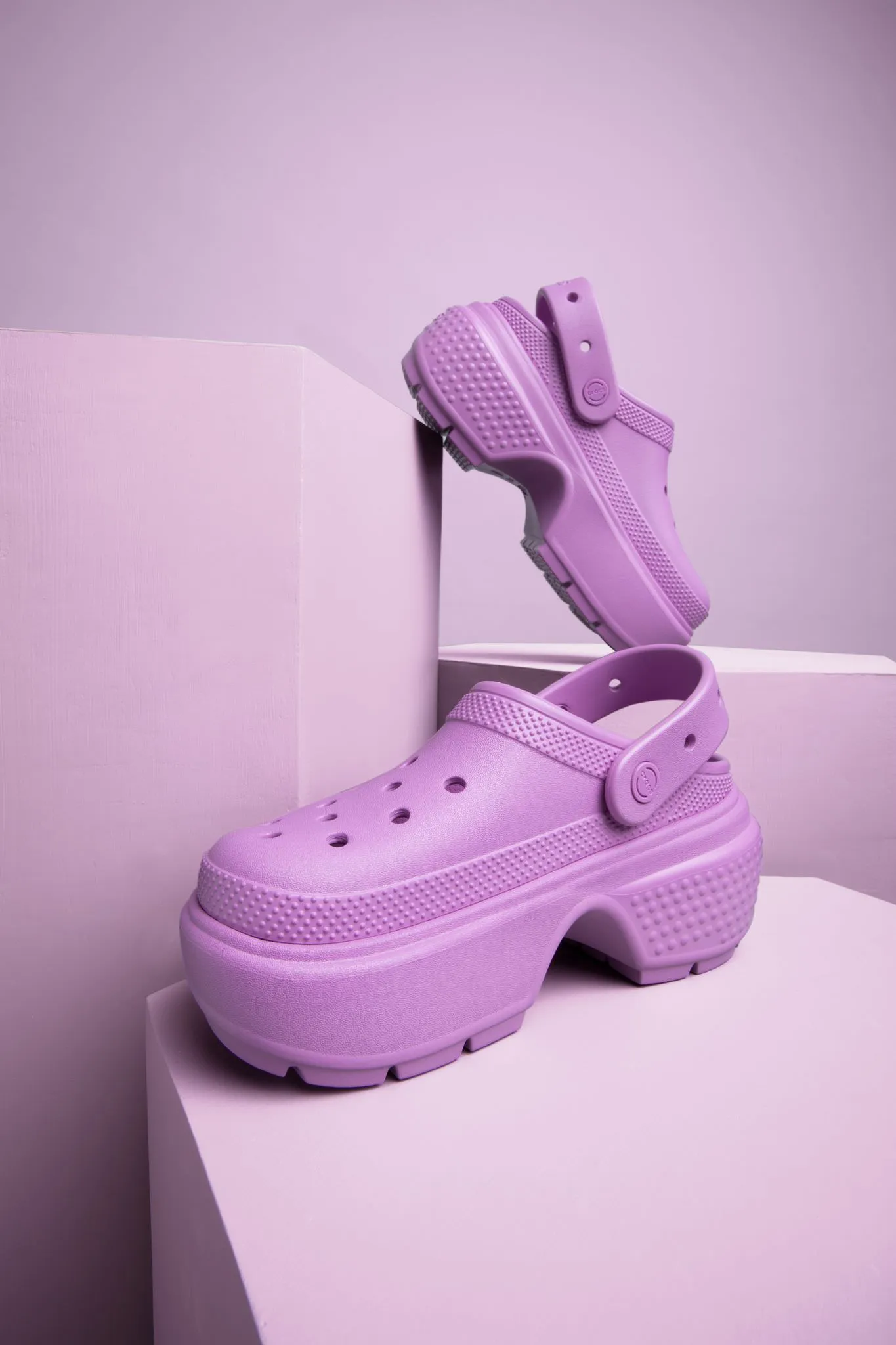
Studio photography is the bedrock of your visual brand. Clean, consistent product photos are the minimum viable proof that you're a legitimate business with a real product. This is what you'll use everywhere from your product pages to your Amazon listings to your email campaigns.
If your studio photography is low-quality, inconsistent, or missing key angles and details, everything else in your marketing funnel will suffer. It's the foundation the rest of your content strategy is built on.
2. Product Video: The Explainer
If a photo shows your product, a video shows what it can do. This is where you highlight unique features, demonstrate your product in action, tell your brand story, and help customers imagine owning what you sell.
Product video tends to be particularly powerful in three places:
- As paid social ads, where motion catches the eye in a way static images can't
- On product pages, where a short demo can answer key questions
- On your homepage, where a punchy brand video communicates your value proposition fast
And contrary to what many brands assume, these videos don't need to be heavily produced to perform. Often, the scrappier and more authentic-feeling the better, unless you're going for a specific elevated aesthetic.
3. User-Generated Content: The Convincer
User-generated content is the secret weapon for converting hesitant buyers. A studio photo can make your product look good. But a piece of UGC can make someone believe it will work for them.
UGC is especially critical for products where the buyer is taking on some amount of risk or uncertainty. Think skincare, makeup, supplements, apparel — anything where fit, efficacy, or results are a key consideration. A rave review, a demo video from someone relatable, or a photo of the product with just a real person is often the tipping point.
The other reason UGC is so valuable: it has legs. While a polished brand campaign might fatigue after a couple weeks, a good UGC ad can often sustain its performance for a month or more.

The Mistake to Avoid
The content mistake that trips up most ecommerce brands isn't creating the wrong content; it's treating each content type like it lives in isolation.
In reality, studio photos, product videos, and UGC work together to cover different stages of the buyer's journey:
- A UGC video stops the scroll on social and piques interest
- The click-through goes to a product page with professional studio photos that build trust
- A product demo video answers lingering questions about fit or use
- Customer photos and reviews provide the final layer of social proof
Remove any one of those and conversion rates drop. The magic isn't in any individual piece of content — it's in how they function as a system.
Crawl, Walk, Run
So how much content is enough? While the exact mix will depend on the size of your catalog and the channels you use, a rough rule of thumb is:
- 80% of products need 6-8 studio photos (hero, detail, lifestyle, swatches)
- 20% need a product demo or explainer video
- 80% need 3-5 pieces of UGC (reviews, photos, videos from multiple customers)
- 20% need a heavy-up of all three (bestsellers, flagship products, anything you're featuring in a major campaign)
The key is coverage, not volume. Start by making sure every product has a baseline of quality images, layer in video and UGC for your core SKUs, and build from there as you're able.
The Content Workflow Key
Of course, creating the content is only half the battle. The other half is being able to find and deploy it efficiently.
One of the biggest hidden costs for ecommerce brands is the time lost to scattered content storage. Images and videos get trapped in old email threads, abandoned Google Drive folders, and unnamed Dropbox dumps. The more content you create, the harder it becomes to actually use it.
The solution is a single source of truth: one dedicated place where all your approved content lives and can be pulled from on demand. This becomes especially important as you expand across channels and need to remix studio assets, UGC, and product videos into different formats and campaigns.
Investing in content ops isn't sexy, but it's the difference between your content working for you and you working for it.
The Single-Platform Play
It's this centralized approach to content that makes soona a go-to for ecommerce brands looking to streamline.
Instead of coordinating studio shoots, video production, and UGC campaigns across multiple vendors and platforms, soona brings them together under one roof. Plan shoots and creator partnerships in one place, store all the assets in one library, and build campaigns without the content scavenger hunt.
For lean teams that need to move fast, having content creation and management unified can be a major unlock. Less time spent on logistics means more time for iteration and optimization. And that's where the real results happen.
The TLDR:
The perfect ecommerce content mix isn't a static formula. But if you want a program that converts, start with these three pillars:
- Consistent, high-quality studio photography as your foundation
- Product and brand videos that showcase your unique value
- User-generated content that provides authentic social proof
Build a lean system for producing all three and a single organized place to put them and you'll spend less time chasing assets and more time putting them to work.
Chat with a soona expert about your content needs.
The Ecommerce Content Mix That Converts: Studio Photography, Video, and UGC
When it comes to creating content for an ecommerce brand, the options can feel endless. Studio photography, lifestyle shots, product videos, stop motions, user-generated content — the list goes on. And with limited resources, it's tempting to look for the "best" format and pour everything into that.
But after analyzing content performance across dozens of ecommerce brands, one thing is clear: there is no single best type of content. The power is in the mix.
Specifically, it's in understanding the unique role that studio photography, product video, and user-generated content each play in the customer journey — and building a system around all three.
Here's what that looks like.
The Content Trifecta
1. Studio Photography: The Foundation
Studio photography is the bedrock of your visual brand. Clean, consistent product photos are the minimum viable proof that you're a legitimate business with a real product. This is what you'll use everywhere from your product pages to your Amazon listings to your email campaigns.
If your studio photography is low-quality, inconsistent, or missing key angles and details, everything else in your marketing funnel will suffer. It's the foundation the rest of your content strategy is built on.
2. Product Video: The Explainer
If a photo shows your product, a video shows what it can do. This is where you highlight unique features, demonstrate your product in action, tell your brand story, and help customers imagine owning what you sell.
Product video tends to be particularly powerful in three places:
- As paid social ads, where motion catches the eye in a way static images can't
- On product pages, where a short demo can answer key questions
- On your homepage, where a punchy brand video communicates your value proposition fast
And contrary to what many brands assume, these videos don't need to be heavily produced to perform. Often, the scrappier and more authentic-feeling the better, unless you're going for a specific elevated aesthetic.
3. User-Generated Content: The Convincer
User-generated content is the secret weapon for converting hesitant buyers. A studio photo can make your product look good. But a piece of UGC can make someone believe it will work for them.
UGC is especially critical for products where the buyer is taking on some amount of risk or uncertainty. Think skincare, makeup, supplements, apparel — anything where fit, efficacy, or results are a key consideration. A rave review, a demo video from someone relatable, or a photo of the product with just a real person is often the tipping point.
The other reason UGC is so valuable: it has legs. While a polished brand campaign might fatigue after a couple weeks, a good UGC ad can often sustain its performance for a month or more.
The Mistake to Avoid
The content mistake that trips up most ecommerce brands isn't creating the wrong content; it's treating each content type like it lives in isolation.
In reality, studio photos, product videos, and UGC work together to cover different stages of the buyer's journey:
- A UGC video stops the scroll on social and piques interest
- The click-through goes to a product page with professional studio photos that build trust
- A product demo video answers lingering questions about fit or use
- Customer photos and reviews provide the final layer of social proof
Remove any one of those and conversion rates drop. The magic isn't in any individual piece of content — it's in how they function as a system.
Crawl, Walk, Run
So how much content is enough? While the exact mix will depend on the size of your catalog and the channels you use, a rough rule of thumb is:
- 80% of products need 6-8 studio photos (hero, detail, lifestyle, swatches)
- 20% need a product demo or explainer video
- 80% need 3-5 pieces of UGC (reviews, photos, videos from multiple customers)
- 20% need a heavy-up of all three (bestsellers, flagship products, anything you're featuring in a major campaign)
The key is coverage, not volume. Start by making sure every product has a baseline of quality images, layer in video and UGC for your core SKUs, and build from there as you're able.
The Content Workflow Key
Of course, creating the content is only half the battle. The other half is being able to find and deploy it efficiently.
One of the biggest hidden costs for ecommerce brands is the time lost to scattered content storage. Images and videos get trapped in old email threads, abandoned Google Drive folders, and unnamed Dropbox dumps. The more content you create, the harder it becomes to actually use it.
The solution is a single source of truth: one dedicated place where all your approved content lives and can be pulled from on demand. This becomes especially important as you expand across channels and need to remix studio assets, UGC, and product videos into different formats and campaigns.
Investing in content ops isn't sexy, but it's the difference between your content working for you and you working for it.
The Single-Platform Play
It's this centralized approach to content that makes soona a go-to for ecommerce brands looking to streamline.
Instead of coordinating studio shoots, video production, and UGC campaigns across multiple vendors and platforms, soona brings them together under one roof. Plan shoots and creator partnerships in one place, store all the assets in one library, and build campaigns without the content scavenger hunt.
For lean teams that need to move fast, having content creation and management unified can be a major unlock. Less time spent on logistics means more time for iteration and optimization. And that's where the real results happen.
The TLDR:
The perfect ecommerce content mix isn't a static formula. But if you want a program that converts, start with these three pillars:
- Consistent, high-quality studio photography as your foundation
- Product and brand videos that showcase your unique value
- User-generated content that provides authentic social proof
Build a lean system for producing all three and a single organized place to put them and you'll spend less time chasing assets and more time putting them to work.
Chat with a soona expert about your content needs.